Have you been feeling lately like your hearing aids don’t sound like they used to? It’s quite possible that you’re due for a hearing aid checkup. If you notice any of the following signs that your hearing aids aren’t performing at their best, bring them straight to us, and we’ll take a look.
Distorted or Muffled Sound
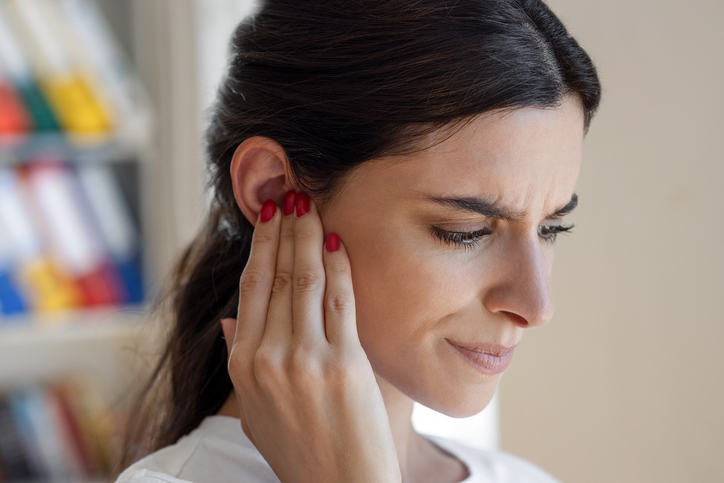
If you’ve noticed that your hearing aids just don’t sound right, or if it sounds like there’s something blocking the sound, that’s a good indicator that your hearing aids need an expert’s eyes. Modern hearing aids feature smart digital sound processing, and this complex technology can sometimes experience technical difficulties.
This is especially true if you’ve had your set for three years or longer; the electrical components of hearing aids will deteriorate over time, just like any other electronic device. Your old set of hearing aids might be ready for an upgrade.
Echoey or “Tinny” Sound
If your own voice sounds like it’s echoing around in your skull or like you’re talking into a barrel, you’re experiencing a phenomenon known as the occlusion effect. The occlusion effect can occur when anything obstructs your ear canal, such as hearing aids, in-ear headphones, earplugs or any other foreign object. The obstruction causes sound waves that originated within the body to bounce back into the inner ear and be processed a second time.
The echoes of the occlusion effect are one of the biggest adjustments when you get hearing aids for the first time, but if you’ve been wearing hearing aids for a while and the occlusion effect just came back or started, that could indicate that your hearing aids aren’t fitting properly in the ear canal or that the vents are clogged with earwax. Your hearing aids may benefit from a thorough professional cleaning or perhaps some new custom ear molds.
Increased Feedback
Feedback is a whistling or buzzing sound that happens when sound projected from the hearing aid speaker escapes the ear canal and “feeds back” through the microphone. This sound is uncomfortable and annoying, but many modern hearing aids feature sophisticated feedback suppression technology. If this suppression is falling short, then we may need to reevaluate the fit of your hearing aids or check on the sound processor.
Your Hearing Aids May Not Be the Issue
If we’ve looked at all potential problems and tried troubleshooting your hearing aids, there’s a chance that the sound issue is due to your hearing loss, not the hearing aids themselves. Even with treatment, hearing loss will continue to progress; it could be that your hearing loss has advanced to such a degree that your current hearing aid settings aren’t meeting your needs. In that case, we can perform a new hearing test to get an updated audiogram and adjust your settings accordingly.
If you’ve been having issues with the sound quality or fit of your hearing aids, don’t suffer in silence. Bring them to your audiologist for a hearing aid checkup and cleaning to restore them to peak performance. Call Torrance Audiology Center today to make an appointment.